
Why AI Isn’t a Threat—It’s a Leadership Advantage for Corporate Decision-Makers
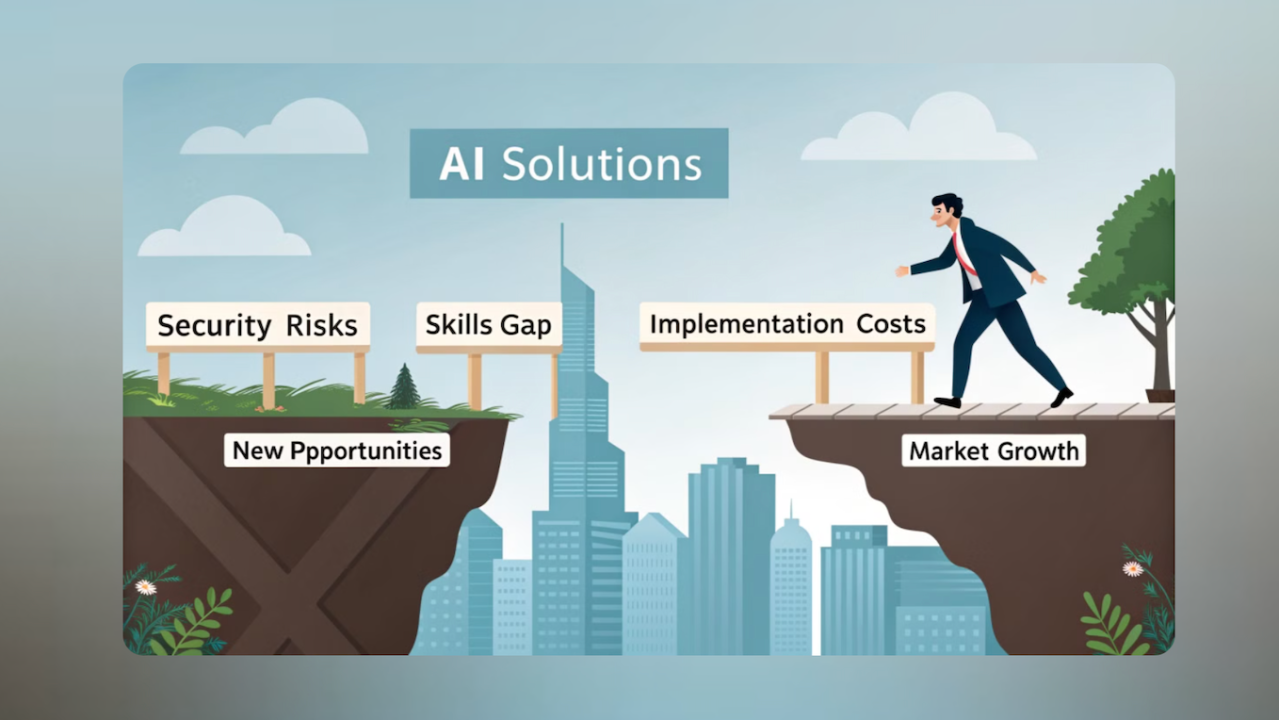
As a corporate decision-maker—whether you're a CPO, Director, or senior leader—you're under constant pressure to improve performance, stay ahead of competitors, and manage risk. In the age of AI, there's growing noise, skepticism, and uncertainty. Is AI worth the effort? Is it secure? Are we ready? This article is here to help you cut through the noise and give you a clear answer: AI is not a threat—it’s a strategic leadership advantage.
Let’s break down the why, the how, and the what you can do today.
Why You Should Trust This Perspective
I've spent over two decades leading in both corporate and startup environments—guiding teams, scaling businesses, and navigating the intersection of people, process, and technology. As a COO of a tech company and former HR executive, I’ve worked with organizations during moments of intense growth, transformation, and uncertainty.
I don’t speak about AI from a hype-driven lens—I speak from experience integrating AI into real operations, aligning it with leadership goals, and empowering decision-makers like you to lead with clarity and confidence.
Why You Might Be Hesitant
Many experienced leaders feel that adopting AI may:
- Compromise data security
- Require major operational changes
- Undermine existing workflows
- Signal a lack of control or reliance on outside tools
And those concerns are valid. But let’s reframe them. AI is not replacing leadership—it’s elevating it.
Why AI Is an Advantage
Drawing from Geoffrey Moore’s Crossing the Chasm, disruptive technologies take time to gain trust. But once understood and adopted correctly, they unlock massive value. Yuval Noah Harari’s Nexus supports this by explaining how stronger information networks help teams collaborate and adapt faster—something AI facilitates beautifully.
Real Challenges That Stand in the Way
Let’s acknowledge the real blockers you're facing:
🔴 Security and Compliance: Protecting sensitive data is non-negotiable.
🔴 Organizational Readiness: Not all companies are at the right stage—especially if you're scaling down or reorganizing.
🔴 Training & Timing: Poorly timed rollouts or undertrained staff create confusion.
🔴 Leadership Alignment: If AI initiatives don’t start from the top, they stall at the bottom.
How to Use AI as a Leadership Advantage
You don’t need to overhaul everything overnight. Start small, but start intentionally.
1. Use AI to Enhance Decision-Making
Leverage AI tools to get real-time insights, identify patterns, and forecast risks. This empowers you to act faster and with more confidence.
2. Streamline Communication with AI Tools
Reduce miscommunication across teams. Many AI platforms now offer summaries, smart notifications, and action items—keeping your team aligned without extra meetings.
3. Automate Routine Tasks
Free your high-value team members from repetitive work so they can focus on innovation and strategic initiatives.
4. Improve Customer Experience
Whether internal or external customers, AI helps you deliver faster, more accurate, and more personalized service.
What You Can Do Today
✔️ Audit your current workflows: Where are you losing time or data?
✔️ Talk to your IT/security team: What AI tools are already available?
✔️ Start with one problem: Pick a process and explore how AI can assist.
✔️ Lead the conversation: Set the tone from the top. AI success starts with leadership buy-in.
🎬 Final Thought
AI isn’t a trend to chase—it’s a mindset to adopt. The leaders who win in this next era will be those who see AI not as a threat but as a tool to amplify their ability to lead, decide, and grow.
😌 So take a deep breath. You don’t need to be an AI expert. You just need to be open—and take that first step forward.
At ApolloRise, we’re pioneering AI-driven solutions to unlock operational efficiency, improve decision-making, and amplify leadership impact.